Unsafe propane handling can put employees at risk, cause property damage, and disrupt business operations. Commercial facilities must follow proper safety protocols to maintain compliance and minimize hazards.
This article covers essential commercial propane storage safety practices, including preventive measures, regulatory standards, and storage methods that promote safe, efficient facility operations.
Key Practices for Safe Commercial Propane Storage
Proper commercial propane storage requires understanding potential hazards and safety responsibilities. Following established guidelines helps businesses minimize risks, maintain compliance, and ensure safe operations.
Identify Propane Storage Hazards and Safety Risks
Understanding propane’s characteristics is essential for safe commercial storage and handling. Propane is highly flammable, and improper handling can create serious hazards. Its vapor is heavier than air, so it can accumulate in low-lying areas where ignition sources can cause fires or explosions. Recognizing these risks helps prevent dangerous incidents.
Temperature changes also influence propane tank pressure and performance. Heat increases internal pressure, while colder conditions reduce it, potentially affecting fuel delivery. Proper pressure management is essential, including regular inspection and maintenance of pressure relief valves to protect against excessive pressure buildup and maintain safe storage conditions.
Follow Commercial Propane Storage Regulations and Standards

Regulatory compliance is essential for safe commercial propane storage. Businesses must follow applicable safety codes governing propane storage, handling, and use to minimize hazards, maintain safe operations, and prevent regulatory violations.
Local Fire Safety and Building Regulations
State and municipal propane storage codes establish minimum distances between cylinders, buildings, ignition sources, and property lines. These regulations also govern container size limits and indoor or outdoor storage requirements. Consult your local fire marshal or building authority to verify compliance.
NFPA 58 (Liquefied Petroleum Gas Code)
NFPA 58 establishes nationally recognized safety standards for propane storage, transfer, and use. It covers system design, tank placement, ventilation, piping, signage, and emergency shutoff procedures. Following applicable NFPA 58 requirements helps commercial facilities maintain safe propane installations and meet industry standards.
OSHA Propane Safety Regulations
OSHA regulates workplace propane safety under standards such as 29 CFR 1910.101 and 1910.110. Requirements address cylinder labeling, secure storage, equipment inspections, and employee training in safe handling procedures. Following applicable OSHA standards helps businesses prevent workplace injuries, maintain regulatory compliance, and strengthen their propane safety programs.
Select a Secure Location for Commercial Propane Storage
Choosing a suitable propane storage location helps prevent accidents and maintain regulatory compliance. Tanks should be positioned at safe distances from occupied buildings, doors, windows, and air intakes. Depending on container size and applicable codes, required clearances may range from 10 to 20 feet or more.
Place propane containers on a level, stable, well-drained surface, such as concrete or asphalt, to prevent tipping and minimize corrosion caused by standing water.
Secure the storage area with a lockable, well-ventilated enclosure or fencing and clearly visible hazard signs. Proper ventilation prevents propane vapor accumulation, while restricted access improves security and supports safe commercial storage practices.
Follow Safe Propane Cylinder Handling and Storage Practices
Proper propane cylinder handling and storage reduce accidents, equipment damage, and compliance risks. Use approved cylinder carts or dollies when moving tanks to prevent drops, dents, and valve damage.
Store cylinders upright and secure them with chains or straps to prevent tipping and protect valve assemblies. Clearly label and separate full, in-use, and empty cylinders to simplify inventory management and prevent confusion.
Follow approved stacking and storage requirements to keep cylinders stable, minimize hazards, and maintain a safe commercial propane storage area.
Maintain Adequate Ventilation and Propane Leak Detection
Proper ventilation and dependable gas detection are essential for safe propane storage. Since propane vapor is heavier than air, it can accumulate in low-lying or poorly ventilated spaces. Store cylinders in approved, well-ventilated areas with sufficient airflow to prevent hazardous vapor buildup.
Install commercial propane gas detectors near floor level and other locations identified through a safety assessment to detect leaks early. Detection equipment must be appropriately rated for hazardous environments and meet applicable safety standards. Regular professional calibration, testing, and maintenance help ensure accurate readings and reliable operation.
Fire Safety Measures and Emergency Response Planning
Commercial facilities that store propane must establish effective fire prevention measures and prepare for potential emergencies. The following precautions help improve workplace safety and emergency response capabilities:
- Keep Emergency Access Routes Clear: Keep propane storage areas unobstructed, properly illuminated, and clearly identified so firefighters and emergency responders can reach them without delay.
- Position Appropriate Fire Extinguishers Nearby: Place suitable Class B extinguishers in accessible locations near propane storage areas. Conduct monthly inspections to verify their condition and readiness.
- Establish Emergency Response Procedures: Prepare a comprehensive action plan outlining propane leak response steps, designated evacuation pathways, and clearly identified emergency shutoff controls.
Arrange Routine Professional Propane System Inspections
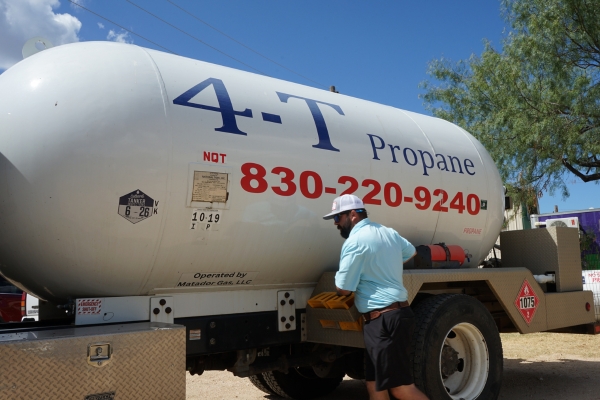
Regular propane equipment inspections help commercial facilities maintain safety and regulatory compliance. Qualified propane technicians should examine tanks, valves, regulators, and piping systems, performing leak checks and pressure tests as appropriate to verify safe operation.
Maintain detailed inspection records, including service dates, findings, and completed repairs. Proper documentation supports preventive maintenance, tracks equipment conditions, and demonstrates continued compliance with applicable safety standards.
Educate Employees and Display Proper Safety Signage
Employee training and clear safety communication help maintain secure commercial propane storage. Train personnel to handle cylinders properly, recognize propane leaks, and follow emergency response procedures.
Display visible safety signs near storage areas, including “No Smoking,” “Flammable Gas,” and evacuation instructions. Provide multilingual signage when necessary to ensure employees understand safety requirements. Reinforce training through regular emergency drills, including propane leak and fire response exercises at least twice annually, to maintain workplace preparedness.
FAQs About Commercial Propane Storage Safety

What Is the Recommended Inspection Schedule for Commercial Propane Systems?
Commercial propane tanks and equipment should generally undergo annual professional inspections, although requirements vary. Facilities with high propane consumption or equipment exposed to harsh weather and demanding conditions may require more frequent assessments. Routine inspections help maintain safety, ensure regulatory compliance, and prevent expensive equipment failures.
Is Indoor Propane Cylinder Storage Permitted in Commercial Facilities?
Indoor propane cylinder storage is generally restricted due to fire and ventilation hazards. Certain industrial applications may qualify for exceptions under specific safety regulations. Always review applicable building and fire codes and consult a qualified propane professional to confirm permitted storage conditions and maintain compliance.
Which Fire Extinguishers Are Suitable for Commercial Propane Storage Areas?
Class B fire extinguishers, commonly available as multipurpose ABC units, are suitable for propane-related fires. Keep approved extinguishers accessible and ensure regular inspections and maintenance in accordance with applicable fire safety codes.
What Are the Propane Cylinder Storage Capacity Limits for Businesses?
Commercial propane storage limits vary by jurisdiction, cylinder size, quantity, and proximity to buildings or public areas. NFPA 58, OSHA regulations, and local fire codes establish applicable requirements. Consult a qualified propane provider to determine your facility’s permitted storage capacity.
What Should Employees Do When a Propane Leak Occurs?
If a propane leak is suspected, evacuate immediately. Avoid locating the leak or using phones, electrical devices, or potential ignition sources nearby. Shut off the propane supply only if it is safe, then contact emergency services and your propane provider from a safe location. Employee training and a written emergency response plan help ensure prompt, safe action.
Conclusion
Safe commercial propane storage requires proper site selection, secure cylinder handling, adequate ventilation, and regular professional inspections. These measures help minimize hazards, maintain regulatory compliance, and protect employees and property.
Secure storage areas, reliable gas detection, and employee safety training further reduce workplace risks. Consistent equipment inspections and accurate maintenance records strengthen emergency preparedness and support safe, efficient facility operations.
Contact 4-T Propane for Reliable Commercial Propane Delivery in Greater Highland Lakes & Northwest Austin Communities
4-T Propane provides dependable residential and commercial propane delivery throughout Greater Highland Lakes & Northwest Austin Communities. We serve homeowners and businesses with quality fuel, timely deliveries, and attentive customer service. Whether you operate a restaurant, resort, marina, or commercial facility, our experienced team helps maintain a consistent propane supply.
We offer flexible delivery options, competitive prices, and convenient scheduling tailored to your needs. Our team works closely with customers to simplify fuel management, support budgeting, and keep homes and businesses running efficiently.
With 4-T Propane, you gain a trusted local supplier committed to safety, reliability, and customer satisfaction. Contact us today to explore our propane delivery options and find the right solution for your home or business. Call now!
You can click here to contact us now or call us at (830) 220-9240 to find out more! Click the link to view our service area.

[REVIEWS]